The Art and Craft of Floral Cards: From Botanical Illustration to Personalized Communication
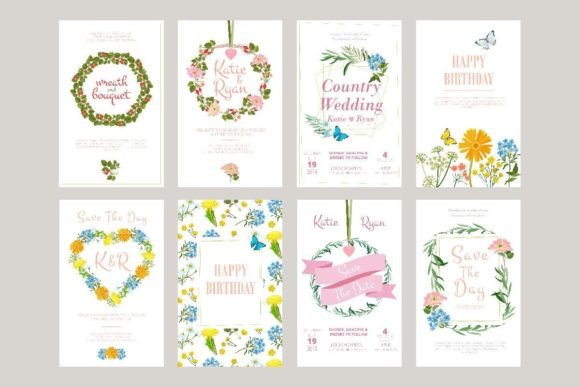
In a world increasingly dominated by digital pixels and instant messages, the tactile beauty of a floral card stands as a timeless gesture. More than just a piece of paper, a floral card is a bridge between the enduring art of botanical illustration and the personal intent of communication. Whether it’s a placard invitation adorned with wild flowers, a business flyer with elegant foliage, or a heartfelt note featuring a blooming vector design, these creations blend artistry with purpose. This article explores the rich tapestry of botanical illustration and its practical application in the craft of floral cards, examining their significance, creation, and enduring relevance in our modern lives.
The Roots: Understanding Botanical Illustration
To appreciate floral cards, one must first understand their artistic foundation: botanical illustration. This is not mere decorative drawing; it is a precise and scientific art form dedicated to accurately depicting plants. Historically, botanical illustrators worked alongside naturalists to catalog flora, capturing the intricate details of petals, stems, leaves, and seeds with meticulous accuracy. This discipline requires a deep understanding of plant morphology and a skilled hand to render both aesthetic beauty and botanical truth.
Today, while the scientific need remains, the style has evolved and branched into more decorative and accessible forms. The vector templates mentioned in our prompt—like those for wild flowers and foliage—are a modern evolution. Using software like Adobe Illustrator, artists create clean, scalable digital illustrations (.EPS files are a common format for such vector art) that retain the clarity and detail of traditional work but with the flexibility for endless reuse and adaptation. This transition from physical parchment to digital canvas is key to how botanical art finds its way into contemporary floral cards.
The Purpose and Significance of Botanical Art in Design
Why does this specific art style resonate so powerfully in design? Botanical illustrations carry inherent symbolism and emotional weight. Flowers represent growth, beauty, celebration, and sometimes remembrance. Foliage suggests nature, stability, and organic life. By incorporating these elements, a design immediately taps into a universal visual language. For a placard invitation, delicate wildflower illustrations can evoke a sense of rustic charm or intimate, personal celebration. For a corporate blooming flyer, structured foliage and floral motifs can communicate growth, freshness, and a connection to natural values.
A common misunderstanding is that botanical illustration is overly formal or old-fashioned. In reality, modern vector illustrations can range from hyper-realistic to whimsically minimalist, making them versatile for any tone—from a formal wedding invite to a vibrant festival poster. The significance lies in its authenticity; even a stylized vector flower feels more rooted and intentional than a generic, abstract graphic.
Blooming into Practice: The Creation of Floral Cards
The journey from a botanical illustration to a finished floral card is a process of synthesis. It involves combining art with layout, typography, and purpose. Let’s break down the typical components, as hinted by terms like “card with header” and “flyer.”
- The Botanical Base: This is the core visual, often a vector illustration (.EPS file) of flowers, leaves, or branches. It sets the thematic tone.
- The Header & Typography: The text element, such as “You’re Invited” or “Summer Sale,” must harmonize with the illustration. The font choice might mirror the elegance of a rose or the playfulness of a daisy.
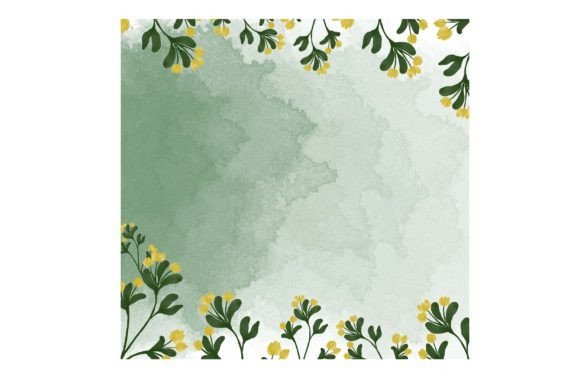
- The Layout & Template: This is the structure. A good template balances the art and text, leaving appropriate white space (like the clean area around a vector design) so the card feels open and uncluttered.
- The Final Format: The design is then output for its purpose—as a physical printed card, a digital invitation emailed as a PDF, or a graphic for social media.
For the general reader or a small business owner, the availability of pre-made vector templates (like those in the provided ZIP folder) is a game-changer. These templates offer a professional artistic foundation without requiring advanced illustration skills. One can customize colors, rearrange elements, and insert their own text, making the creation of a beautiful floral card an accessible creative project.
Floral Cards in Modern Life: Practical Relevance and Applications
Floral cards are far from niche; they weave themselves seamlessly into various facets of contemporary life. Their practical relevance spans personal, professional, and communal spheres.
Personal Connections and Celebrations
In our daily activities, a floral card serves as a tangible token of thoughtfulness. A birthday card with a vibrant sunflower illustration, a thank-you note with subtle lavender sketches, or a condolence card with peaceful olive branches—each uses botanical art to enhance the emotional message. Unlike a plain text message, a floral card is an object to be kept, displayed, and remembered, making the communication more enduring.
Business and Branding
For work and business, floral cards and botanical flyers are powerful tools. A company specializing in organic products might use a leafy, green vector template for its promotional flyers to instantly communicate its ethos. A boutique hotel could use a placard invitation with delicate floral borders to invite guests to a special event, reinforcing an image of elegance and attention to detail. The botanical card becomes an extension of the brand’s visual identity, leveraging nature’s positive associations to build trust and appeal.
Education and Creativity
In educational settings, floral cards can be both a subject and a medium. Learning about botanical illustration itself is a lesson in art, science, and history. Furthermore, the process of designing a card—selecting illustrations, arranging layouts, choosing words—is a creative exercise that combines technical skill with artistic expression. For hobbyists, it’s a satisfying way to produce personalized stationery, gifts, or event materials.
Technology’s Role: The Digital and Physical Blend
Technology, particularly digital design tools and vector graphics, has democratized this craft. The .EPS files included in a designer’s resource folder allow for scalable, high-quality art that won’t pixelate when enlarged for a large placard or reduced for a small tag. This means a single botanical illustration can be adapted for a website banner, a printed wedding invitation, and a social media post, ensuring visual consistency across platforms. The modern floral card often begins digitally and ends physically, bridging the two worlds beautifully.
Cultivating Your Own Floral Cards: Tips for Beginners and Beyond
If you’re inspired to create your own floral cards, here is a practical approach to get started, using the common resources like vector templates.
- Define Your Purpose: Is it an invitation, a flyer, a greeting card? The purpose dictates the tone (joyful, formal, promotional) and the required information.
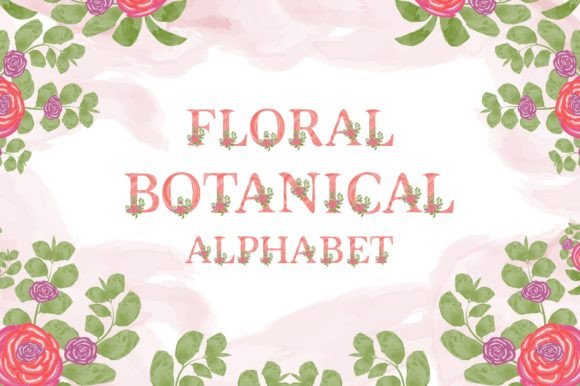
- Select Your Botanical Art: Choose a vector illustration that matches your tone. Wild flowers for a rustic vibe, elegant roses for formal, minimalist foliage for modern.
- Choose a Template or Create a Layout: If using a template, familiarize yourself with the software (like Illustrator or a simpler alternative like Canva) to edit it. Pay attention to layers and grouping in the .EPS file.
- Customize with Care: Adjust colors to suit your palette. Add your header and body text in complementary fonts. Remember to leave clean space—the “white space” around the illustration is crucial for readability and elegance.
- Consider the Final Output: Decide on print or digital. For print, consider paper quality (textured, recycled) to enhance the botanical feel. For digital, ensure the file is optimized for its intended use (web, email).
A key point of clarification: using vector templates does not mean your creation is less original. Customization in color, layout, and text makes it uniquely yours. The botanical illustration provides the artistic credibility and visual foundation upon which you build your personal message.
The Enduring Bloom: Why Floral Cards Remain Essential
In conclusion, the floral card represents a harmonious convergence of art and utility. It takes the detailed, meaningful world of botanical illustration—whether from a centuries-old sketchbook or a contemporary vector file—and applies it to the fundamental human need to connect and communicate. From a simple note to a sophisticated business flyer, it carries more weight than a generic design because it is rooted in the observable beauty and symbolism of nature.
As we navigate a fast-paced, digital-first world, the deliberate act of selecting a floral design, crafting a message, and sharing it—physically or digitally—reintroduces a layer of intentionality and beauty into our interactions. Whether you are a complete beginner exploring a new creative hobby, a professional seeking effective branding tools, or simply someone looking to send a more thoughtful invitation, the world of floral cards, underpinned by the art of botanical illustration, offers a rich and rewarding avenue. It reminds us that even in communication, there is always room for something to bloom.