The Practical Process of Integrating a Wedding Invitation Floral Wreath Roses Design
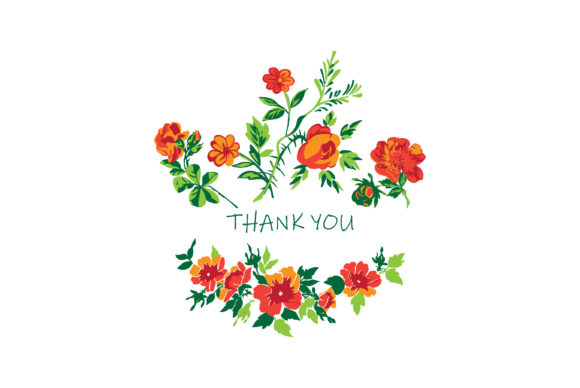
When planning a wedding, the invitation is more than just a logistical piece of paper. It is the first tangible glimpse of your celebration's aesthetic, setting the tone and expectation for the event itself. The concept of a Wedding Invitation Floral Wreath Roses design—specifically, a delicate wreath of roses, stems, and leaves in pastel green and red hues on a white background—serves as a powerful, versatile central asset. This isn't merely an illustration; it is a foundational design element that can streamline your entire visual coordination process, from the initial card to the final day-of decor.
Understanding the Core Asset and Its Role in the Planning Workflow
A floral wreath illustration, defined by its circular arrangement of roses, is inherently cohesive and balanced. This makes it an ideal starting point for establishing a consistent brand for your wedding. Viewing this design not just as a "Wedding invitation floral card" but as a master visual component shifts your workflow from searching for disparate elements to systematically expanding a single, harmonious theme. This approach directly enhances organization and reduces the stress of mismatched aesthetics.
The practical value lies in its vector format. A vector illustration is scalable without loss of quality, meaning the same exact wreath used on a small invitation can be enlarged for a poster or printed seamlessly on larger materials. This guarantees consistency in line weight, color saturation, and detail across all applications, a critical factor for professional-quality results. Whether you are a couple managing your own wedding, a freelance designer creating for a client, or a small stationery business developing a product line, this single asset becomes the keystone of your visual project.
Phased Implementation: From Initial Card to Extended Branding
The integration of this design follows a natural, phased process. The first and most obvious application is the wedding invitation itself. The wreath, often framing the text of your names, date, and venue, provides an immediate sense of elegance and organic beauty. The choice of pastel green and red against white offers a soft, romantic contrast that is both eye-catching and gentle, suitable for a wide range of wedding styles from classic to modern rustic.
Once the invitation is settled, the workflow expands outward. This is where the efficiency of using a core asset truly shines. The same wreath illustration can be repurposed with minimal adjustment for a multitude of related needs:
- Day-of Stationery: Programs, menus, place cards, and thank-you notes.
- Signage and Decor: Welcome posters, directional signs, and even elements incorporated into table centerpieces or cake decorations via print.
- Digital Applications: Wedding website logos, email blast graphics, and social media announcement banners.
This systematic reuse is not about repetition; it's about creating a unified sensory experience for your guests. Every touchpoint, from the mailed card to the program on their seat, reinforces the same visual language. For professionals and creators, this translates to a more streamlined client project with fewer original illustrations needed, improving turnaround time and maintaining a higher standard of quality control.
Integrating with Other Tools and Production Methods
How does this Wedding Invitation Floral Wreath Roses asset interact with your other tools? If you are using design software like Adobe Illustrator or Canva, the vector file serves as your master component. You can easily extract elements: a single rose for a smaller accent, the leafy stems for a border pattern, or the full wreath for a focal point. This modularity within a unified design promotes both creativity and consistency.
When moving to print, communicate with your printer using this exact asset. Specify the pastel green and red colors as Pantone or CMYK values to ensure color fidelity across different materials—paper for invitations, fabric for banners, or acrylic for signs. This preparation prevents costly and time-consuming color corrections later. For digital use, ensure you have exported web-optimized versions (like SVG or PNG) from the same source file, guaranteeing that the online and offline worlds match perfectly.
Beyond Weddings: Long-Term Utility and Broader Applications
The utility of a well-crafted floral wreath extends beyond the wedding day. For entrepreneurs and small business owners in the greeting card or branding sector, this design can become part of a permanent collection. The same wreath, perhaps with slight color variations, can be marketed as a general greeting card for birthdays, anniversaries, or thank-yous. Its timeless, nature-inspired aesthetic has broad appeal.
Furthermore, it can serve as a logo or branding element for businesses related to floristry, event planning, or lifestyle blogging. The elegance of the wreath communicates quality and attention to detail. By owning or licensing a high-quality vector illustration, you secure a long-term asset that can adapt to future campaigns, product lines, or personal projects without the need to reinvest in new core design work.
Practical Tips for Smooth Integration into Your Workflow
To effectively incorporate this design into your process, start with a clear vision of your final scope. Will it be confined to paper invitations, or will it need to extend to large-format print? Acquiring or creating the vector file at the onset is the most crucial step.
Organize your digital workspace by keeping all derivatives (resized versions, color variants, extracted elements) in a clearly labeled folder structure linked to the master file. This is a simple yet vital organizational habit that saves hours during the frantic phases of project execution. For couples working with a designer, provide this core asset early and discuss all intended applications upfront. This allows the designer to plan the entire visual suite efficiently, potentially reducing overall cost.
Finally, consider the tactile outcome. The white background and pastel colors of the Wedding invitation floral card design lend themselves to various paper stocks and printing techniques. A matte finish might enhance the softness, while a slight gloss could make the colors pop. Order physical proofs using your actual wreath design to see how the colors translate from screen to material, an essential step for quality control.
The Outcome: Cohesion, Efficiency, and Lasting Impression
Adopting the Wedding Invitation Floral Wreath Roses as a process-centric asset fundamentally changes your project management experience. It moves you from a reactive stance—finding new art for each new need—to a proactive, expansion-based workflow. The result is a deeply cohesive visual identity for your event or brand that feels intentional and polished.
For the busy professional, hobbyist, or couple, this means less time spent on disjointed design decisions and more time focused on other important planning details. The efficiency gained through asset reuse is both practical and economic. Ultimately, the graceful wreath of roses on your invitation becomes more than a picture; it becomes the reliable visual thread that ties every element of your celebration together, creating a beautiful and seamless experience from the first announcement to the final memory.