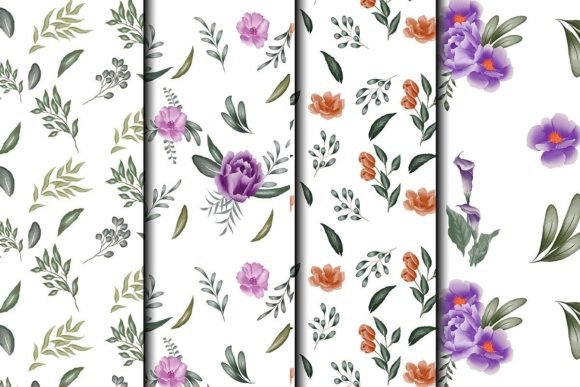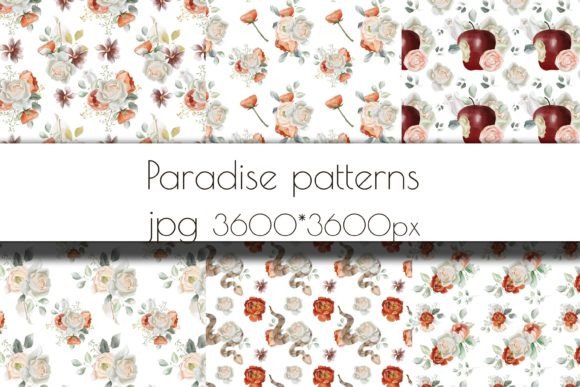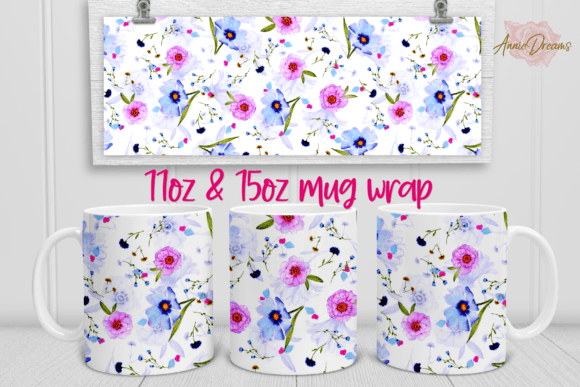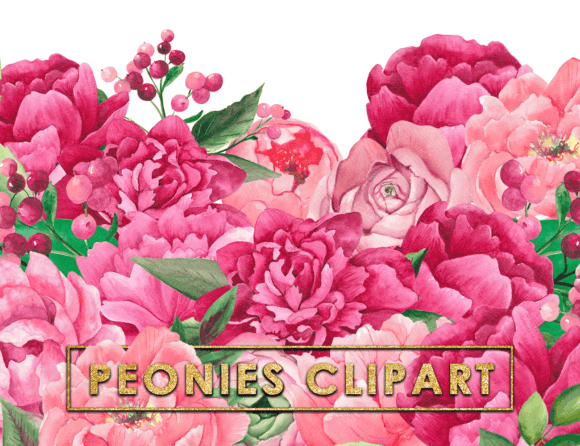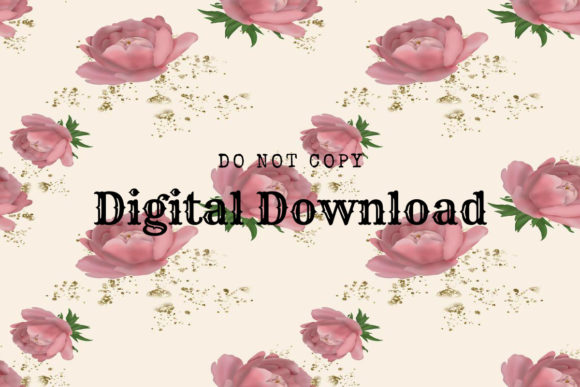
Peony Floral Seamless Pattern in 12x12 Format
The Peony Floral Seamless Pattern is a digital design asset featuring a continuous, repeating motif of peony blooms and foliage. Its defining characteristic is that it is crafted as a seamless tile, meaning the edges of the 12x12 inch square design element align perfectly with each other when duplicated. This allows the pattern to be repeated infinitely across a surface without visible breaks or seams, creating a cohesive and expansive background or texture.
Understanding the Appeal of a Floral Pattern
Individuals researching patterns like the Peony Floral Seamless Pattern are often engaged in creative projects requiring a decorative foundation. A seamless floral pattern offers a distinct set of advantages. Unlike a standalone illustration, its primary utility lies in covering large areas consistently. The choice of the peony, a flower symbolizing prosperity, romance, and beauty in many cultures, adds a layer of thematic meaning. The pattern's seamless nature ensures that this symbolism is expressed without interruption, making it suitable for applications where a uniform aesthetic is desired.
Key Benefits and Practical Applications
The benefits of using a specifically formatted Peony Floral Seamless Pattern are tied to its digital and structural properties. The 12x12 inch format provides a standard tile size that is compatible with many design software presets and print specifications, reducing the need for manual adjustments. Its seamless quality eliminates the labor-intensive task of manually blending pattern edges, saving significant time in digital production.
This pattern is a strong fit for several specific situations. In digital design, it serves excellently as a website background, wallpaper for mobile apps, or textured overlay in graphic composites. For physical products, it can be applied to large-format printing for items like fabric for upholstery or curtains, wrapping paper, or wall decals. The repeatable nature ensures the design can scale to fit the dimensions of the project seamlessly. A Peony Floral Seamless Pattern can also be invaluable for creators looking to establish a consistent brand aesthetic across multiple touchpoints, from packaging to marketing materials.
Tradeoffs and Important Considerations
While the utility is clear, selecting a Peony Floral Seamless Pattern involves evaluating certain tradeoffs. The very nature of a seamless, repeating pattern means it can become visually monotonous if used over an extremely vast area without variation. The design's effectiveness depends heavily on the quality of the original artwork; a low-resolution pattern file will not scale well and may appear pixelated when printed large or viewed on high-definition screens.
Another consideration is color adaptability. Many available patterns are provided in a single color scheme. If the project requires specific Pantone colors or a different palette, the user must have access to and skill with image editing software to recolor the pattern effectively, which can be a complex process with multi-colored floral designs. Furthermore, the density of the pattern matters. A densely packed peony motif may obscure overlaid text or other important foreground elements, whereas a more open, sparse pattern offers better legibility for composite designs.
When Alternatives Might Be Worth Exploring
There are situations where a Peony Floral Seamless Pattern may not be the optimal choice, and alternatives should be considered. If the project requires a singular, focal-point illustration rather than a background texture—such as a main logo or a central piece of album art—a non-repeating, standalone peony illustration would be more appropriate.
For projects demanding a more organic, less structured look, a hand-painted or watercolor-style pattern that is not perfectly seamless might provide a desired artisanal feel. Similarly, if the application involves very small-scale products where the repeat cycle of a 12x12 pattern would be unnoticeable, like on a business card, a simpler, smaller pattern or a solid color with a single floral accent could be more efficient and cost-effective.
Finally, consider the thematic fit. While peonies are versatile, certain projects might call for different floral symbolism or a non-floral pattern altogether. Geometric patterns, abstract textures, or minimalist line art could better align with a brand’s identity or a product’s modern aesthetic.
Decision-Making Insights for Your Project
To determine if this design asset aligns with your goals, start by defining the primary use case. Ask yourself if you need to fill a large area with a consistent decorative theme. Examine the technical requirements: does your printing service or digital platform recommend specific file formats or resolutions? Ensure the provided pattern file, likely a PNG or JPEG, is high-resolution (e.g., 300 DPI or higher) for print, and that the 12x12 dimension is suitable for your layout software.
Evaluate the pattern’s visual complexity against your content hierarchy. If you plan to overlay text, icons, or photographs, test the pattern at the intended scale to confirm readability and visual balance. Assess the color scheme against your existing brand palette or product colors to foresee if modifications will be necessary.
Objectively, the Peony Floral Seamless Pattern is a practical tool for efficiency and aesthetic consistency. Its value is maximized when applied to projects that benefit from a scalable, uninterrupted decorative base. By carefully considering the scale of your project, the required visual hierarchy, and the need for thematic cohesion, you can make an informed decision on whether this particular pattern serves as a helpful resource or if exploring other design directions would yield a better outcome for your specific needs.