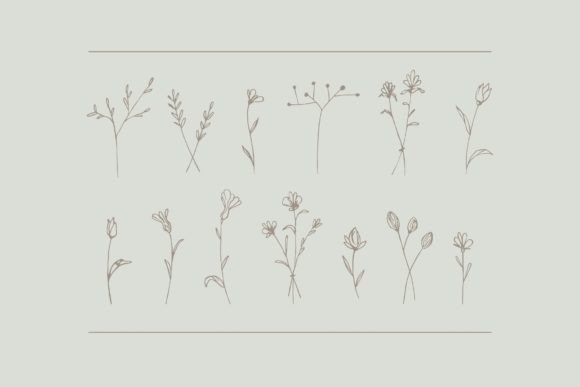
Floral Elements: A Strategic Resource for Handmade Branding
In the landscape of branding and graphic design, achieving a distinctive and authentic feel is often a primary challenge. For entrepreneurs, creators, and small business owners, the pressure to stand out can lead to generic solutions. Floral Elements presents a strategic alternative: a collection of vectorized hand-drawn drawings of simple flowers and botanical motifs. These are not mere decorative clipart; they are a design resource engineered to inject a personal, natural, and handmade sensibility directly into your visual communication.
The Strategic Utility of Handmade Visuals
Why choose a hand-drawn aesthetic in a digital world? The answer lies in positioning and emotional connection. A vector logo or a sterile, geometric design can communicate professionalism, but it often lacks warmth. Floral Elements offer a pathway to soften your brand’s edge, making it feel approachable, crafted, and rooted in authenticity. This is a deliberate choice, not a random decoration. For a local bakery, an independent florist, a wellness coach, or a craft publisher, these visuals align the brand’s identity with its core values—values often centered on care, quality, and personal touch.
Using Floral Elements thoughtfully supports specific goals. It can enhance brand recognition by providing a consistent yet organic visual thread across materials. It aids in communication by setting a tone that is inviting rather than aggressive. In practical terms, the versatility of the included file formats—Ai, PDF, PSD, PNG, and SVG—means these elements integrate seamlessly into your existing workflow, from high-end print packaging to responsive web design, supporting operational efficiency.
Integrating Floral Elements into Your Planning Process
Before applying any design resource, a period of strategic consideration is crucial. The use of Floral Elements should be driven by a clear intent. Ask yourself: does a handmade, natural feel support my brand’s narrative? Is this appropriate for my target audience? A tech startup might bypass this aesthetic, while a brand selling organic children’s clothing would find it profoundly resonant.
Begin your planning by auditing your current touchpoints. Identify where a infusion of warmth is most needed: perhaps your business cards feel impersonal, or your social media graphics are overly slick. Floral Elements can be applied as secondary accents rather than primary logos, framing text on an invitation, creating a patterned background for a website header, or serving as delicate icons on a product label. This measured application prevents the design from becoming overwhelming or clichéd.
Practical Applications and Realistic Use Cases
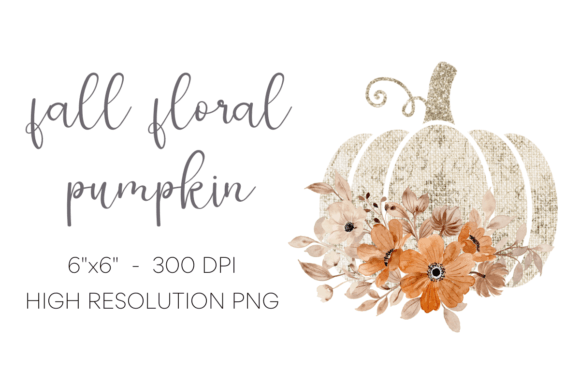
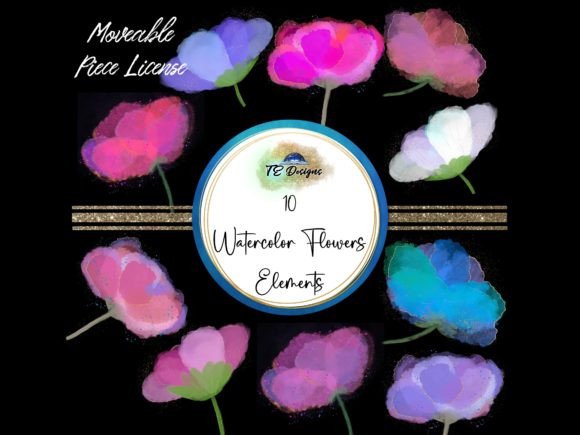
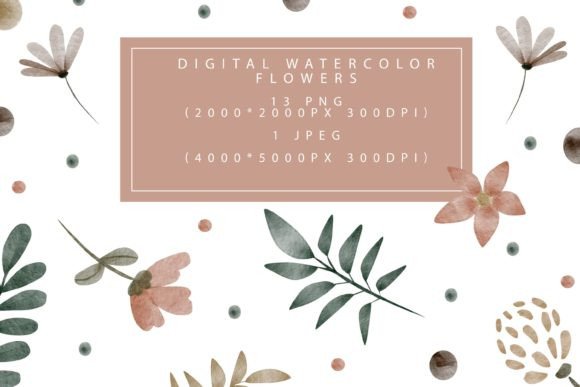
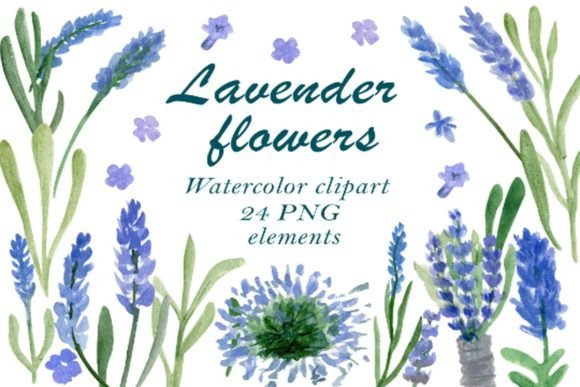
The included thirteen floral elements are a curated set, designed for flexibility. Their simplicity is their strength; they can be scaled, colored, and combined without losing their hand-drawn character. Consider these grounded examples:
- Identity Systems: Use a single, recurring floral motif across your logo lockup, website favicon, and email signature to create a subtle but memorable brand thread.
- Invitations and Stationery: For events, workshops, or personal projects, Floral Elements provide an immediate sense of occasion and care, elevating a simple PDF invitation to a crafted artifact.
- Packaging Design: A small, repeated floral pattern on a sticker, tag, or box can transform a generic package into a branded experience, enhancing perceived value and customer delight.
- Digital Content: Bloggers and educators can use these elements to create visually consistent header images, section dividers in e-books, or social media post templates that feel personal and engaging.
The key is intentional combination. Avoid using all thirteen elements at once. Select two or three that complement each other and use them consistently. This creates a cohesive visual language rather than a chaotic garden.
Risks and Considerations: Avoiding Random Decoration
The primary risk in employing Floral Elements is using them without a strategic foundation—applying them as random decoration simply because they are “pretty.” This dilutes their impact and can even confuse your brand message. If your brand voice is bold and modern, a sudden floral accent might create dissonance. Another consideration is overuse; flooding a design with these elements can make it feel busy and amateurish, undermining the professional quality you seek to maintain.
To mitigate these risks, define a role for the floral elements in your style guide. Decide on a primary color palette for them—perhaps pulling from your brand colors—and specify their maximum size and common applications. This turns a creative resource into a reliable brand asset.
Long-Term Value and Creative Productivity
Investing in a well-made design resource like Floral Elements pays dividends over time. Instead of searching for disparate, inconsistent floral graphics for each new project, you have a unified library at your disposal. This streamlines creativity and boosts productivity; you can produce branded materials faster, with a higher degree of consistency. For freelancers and small teams, this efficiency is a tangible operational benefit.
The long-term result is a brand that feels deeply integrated. Customers and clients begin to recognize your visual tone, associating the handmade floral touches with your unique offer. This consistency builds trust and aids in memory retention. Furthermore, the multi-format files ensure the resource remains viable as your business grows and your design needs evolve, from print to digital, from simple cards to complex campaigns.
Making the Final Decision: A Guide for Intentional Use
When deciding to integrate Floral Elements into your branding, follow a final checklist. Confirm the aesthetic aligns with your brand’s core personality. Audit your competitor’s visuals to ensure you are adopting a distinctive, not a generic, approach. Plan your first application in a low-risk, high-visibility area, such as a newsletter header or a new business card, to gauge response.
Ultimately, Floral Elements are a tool for strategic expression. They are not a substitute for a comprehensive branding strategy but a potent component within one. By approaching them with clear goals—to humanize, to soften, to personalize—you leverage their full potential to create outcomes that are not only visually pleasing but strategically sound. The result is a brand that communicates not just what you do, but how you feel about what you do.